




DESIRE TO HAVE CHILDREN & PREGNANCY
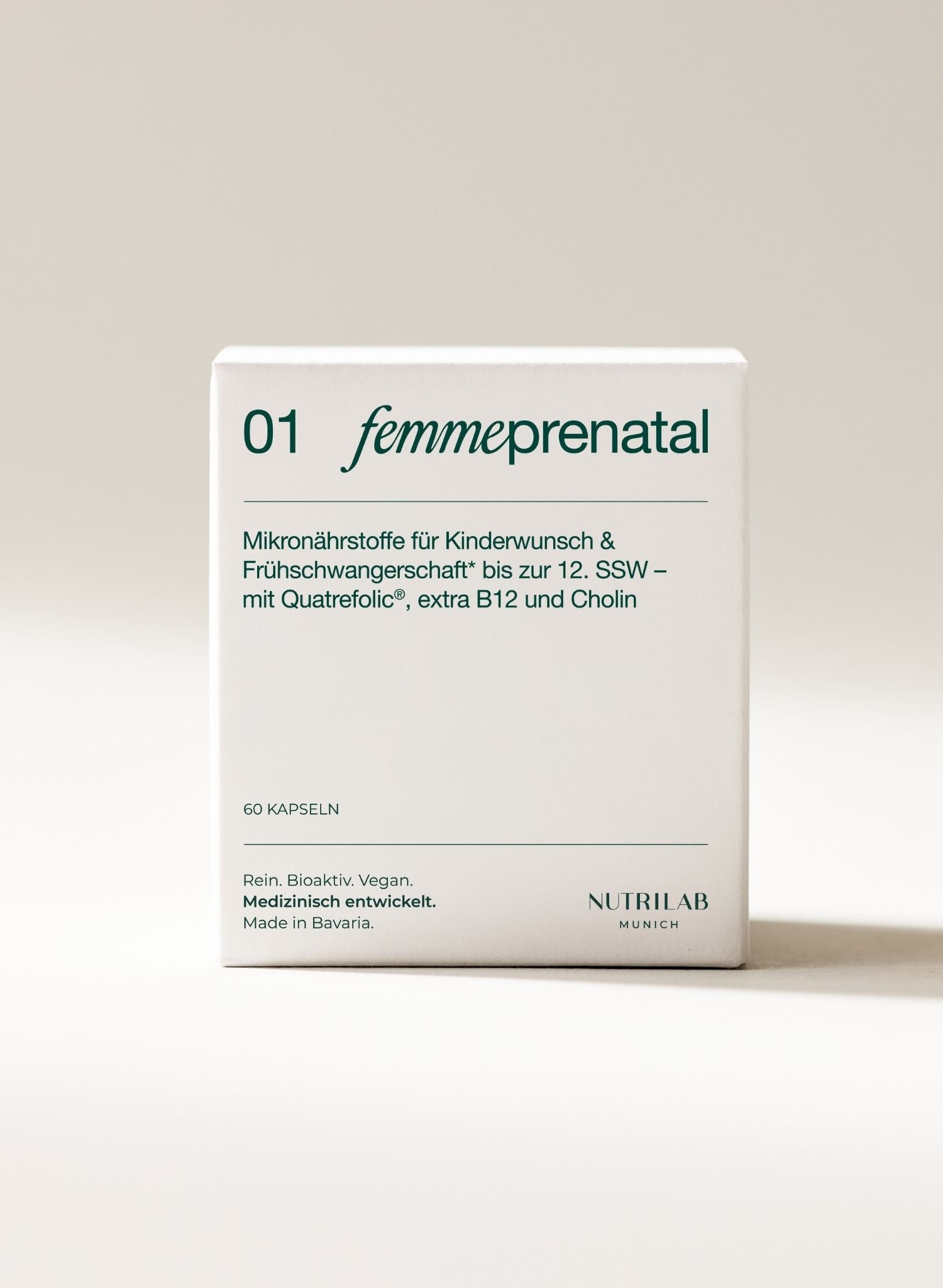
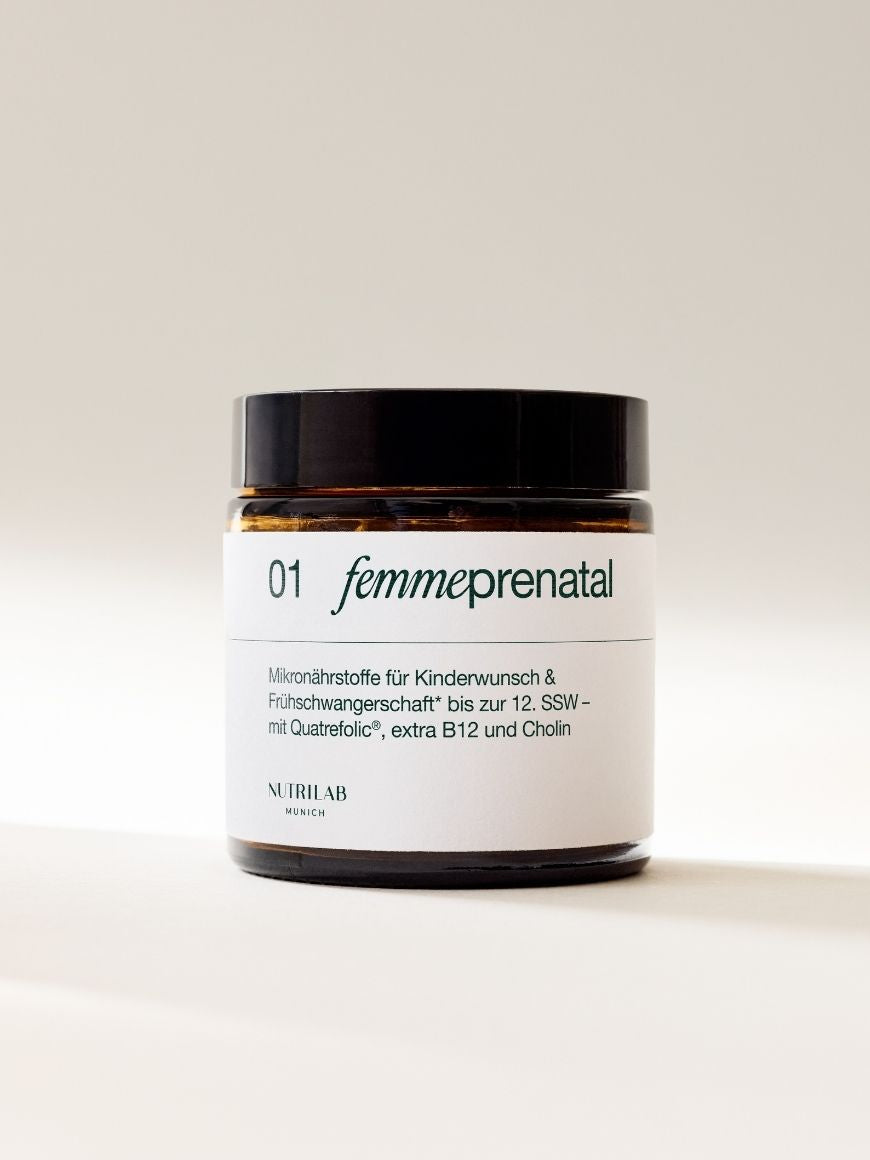
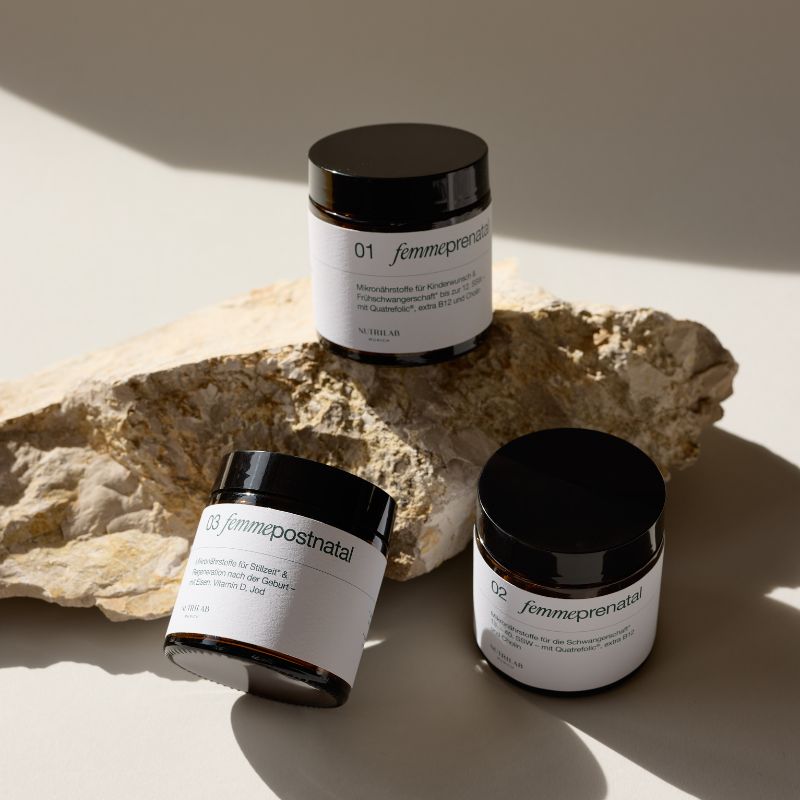
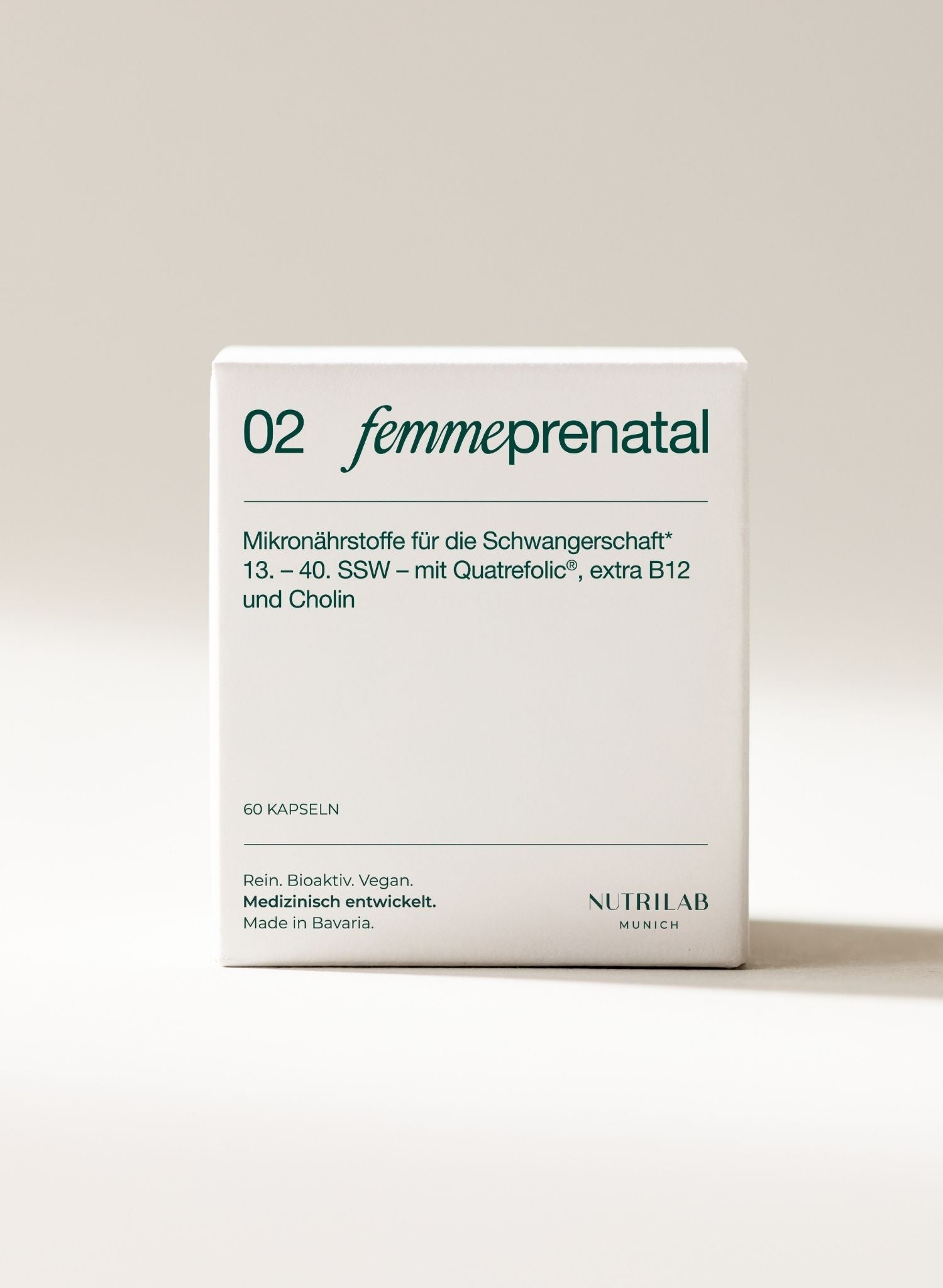
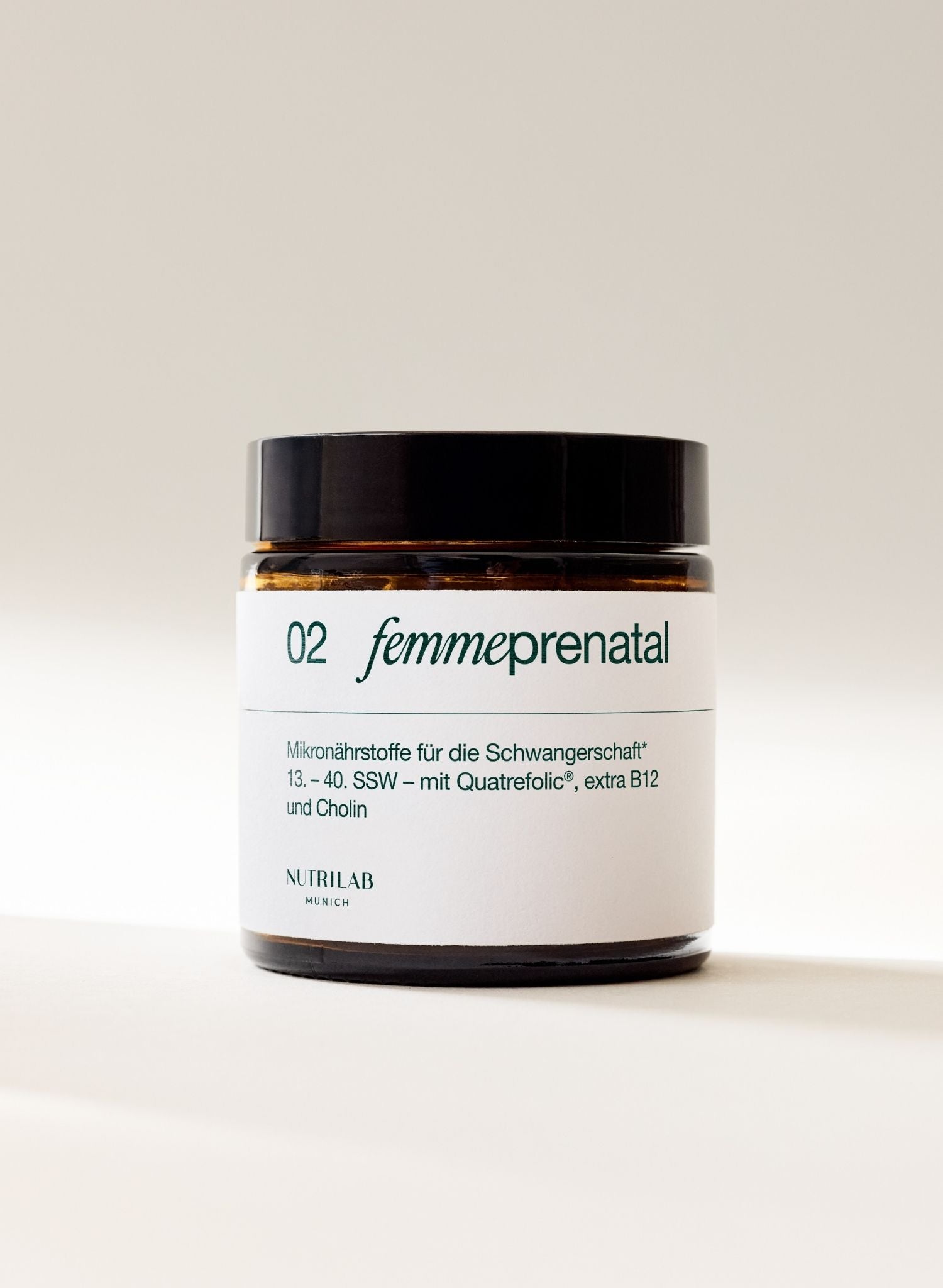
Femme prenatal
FEMME – more than just a product. A promise for your well-being.
Your daily moment of trust in the early stages (trying to conceive & Trimester 1).
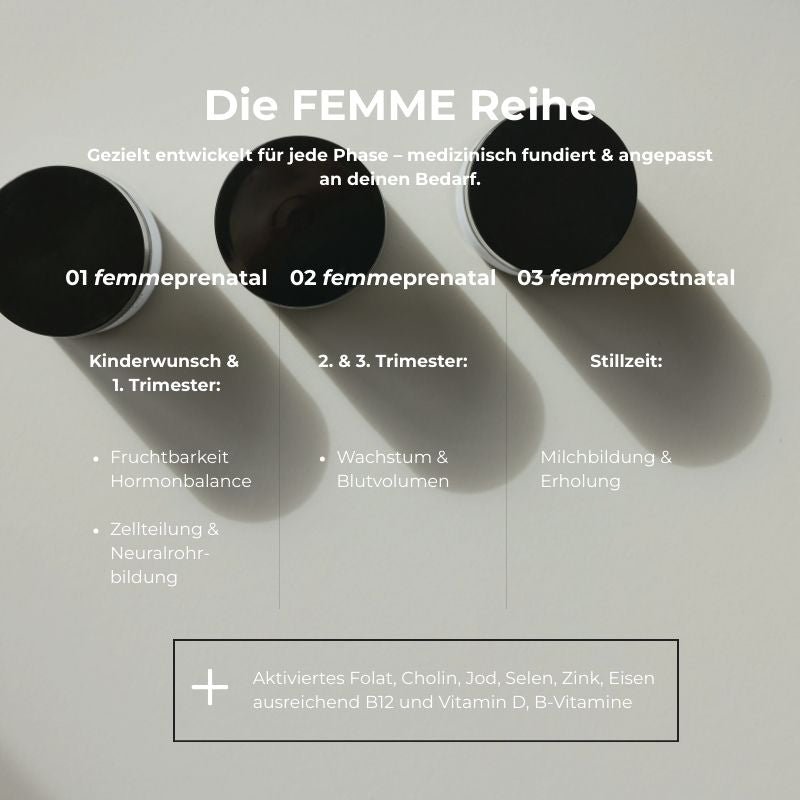
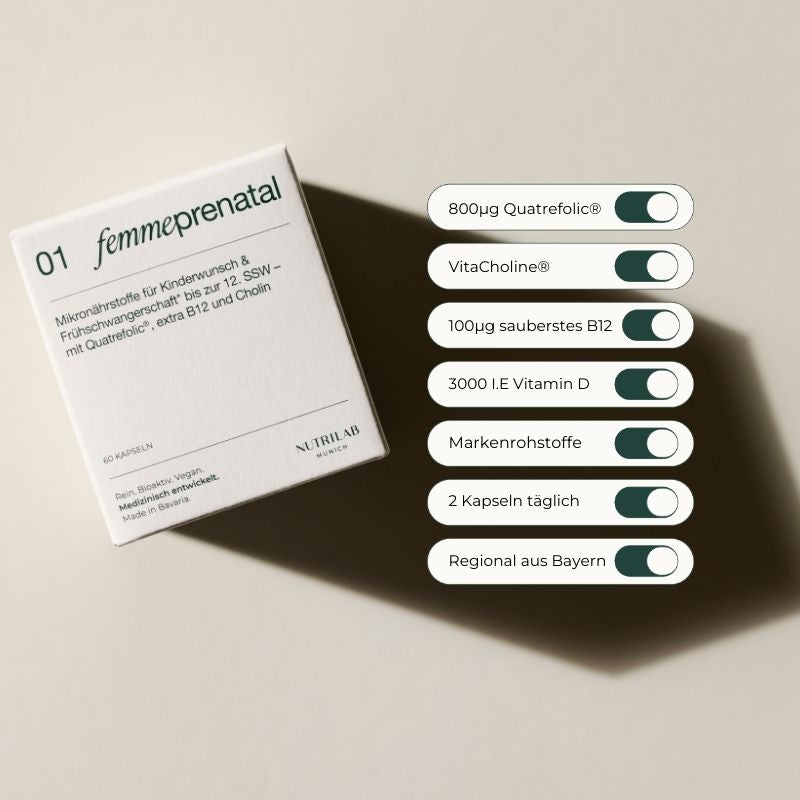
Trying to Conceive & Early Pregnancy (Weeks 1-12): Our Multivitamin femme prenatal 01 This is your clean, all-in-one nutrient supply for those trying to conceive and early pregnancy.
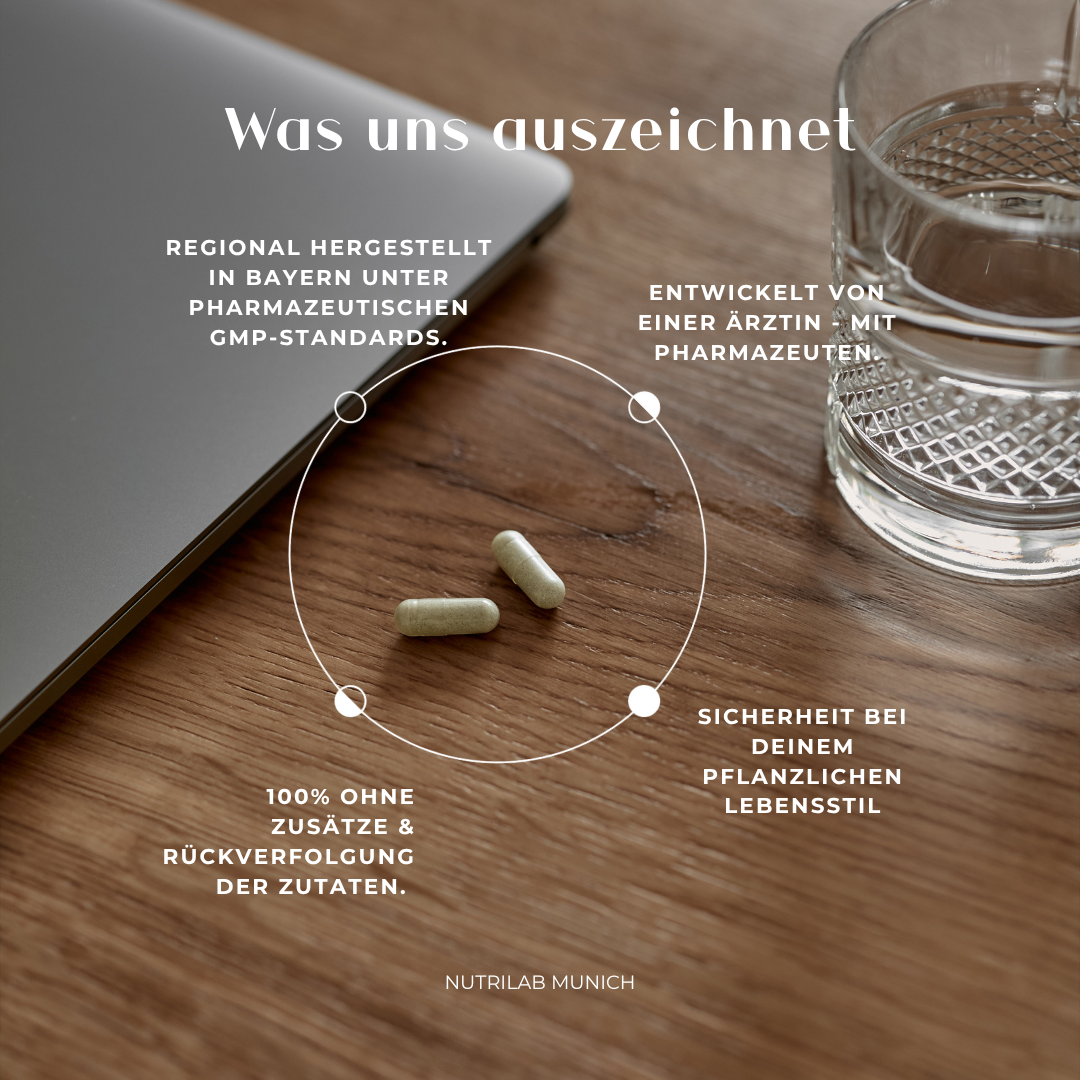
- Mit Extra B12, Cholin, Jod, Zink und Vitamin D
- Überwiegend klinisch geprüfte Markenrohstoffe
- Höhere Dosierungen – ärztlich entwickelt
- Ohne Zusätze – 100 % & Fokus auf das Wesentliche
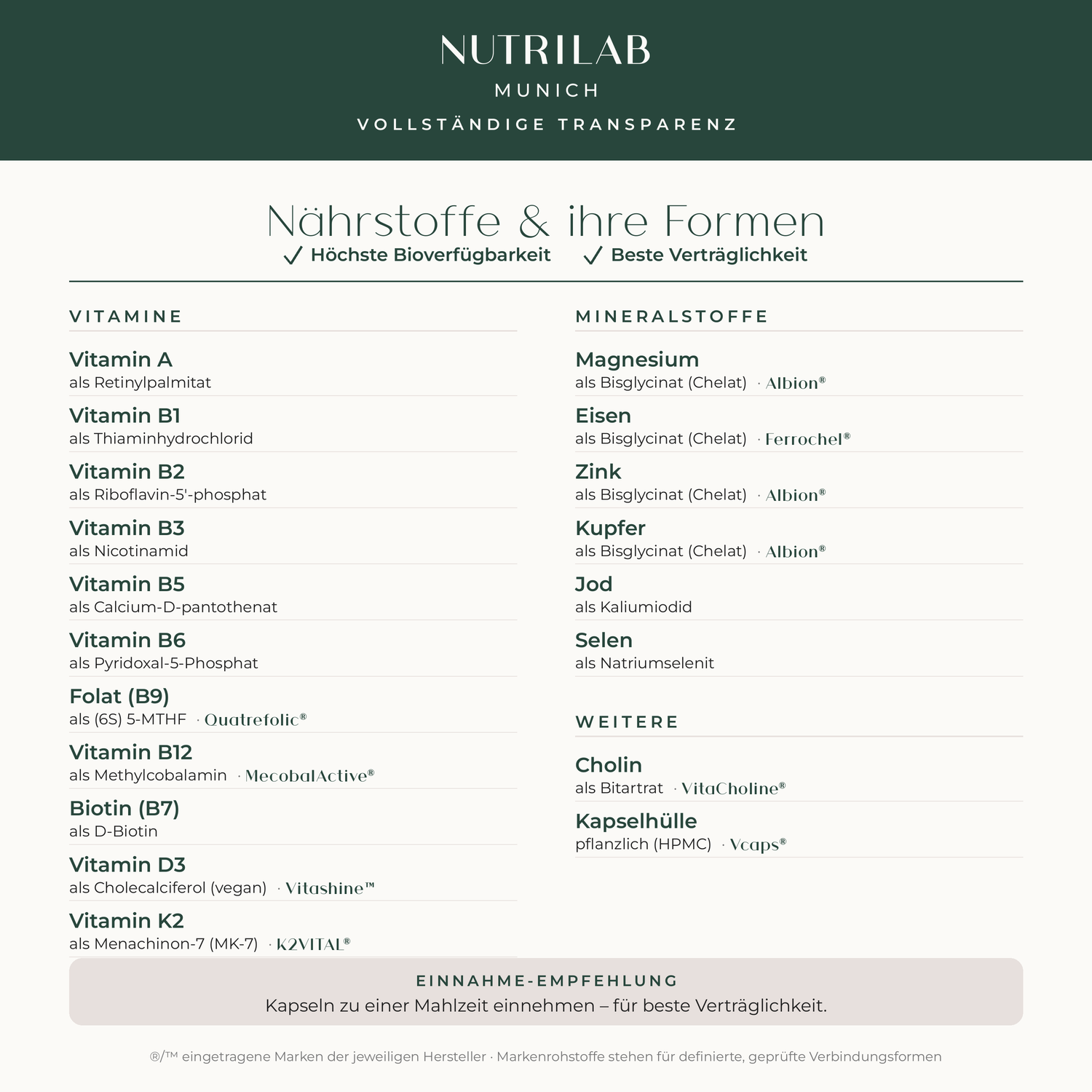
- Transparente Inhaltsstoffe
- regionale Herstellung in Bayern 🇩🇪
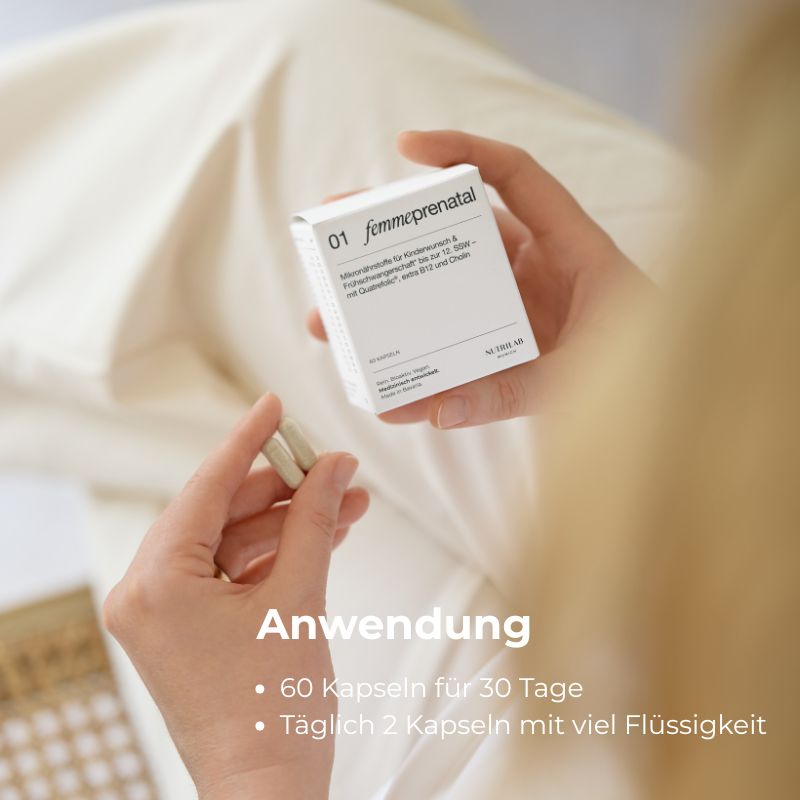
PRODUCT APPLICATION
- 60 capsules for 30 days
- 2 capsules daily with plenty of liquid
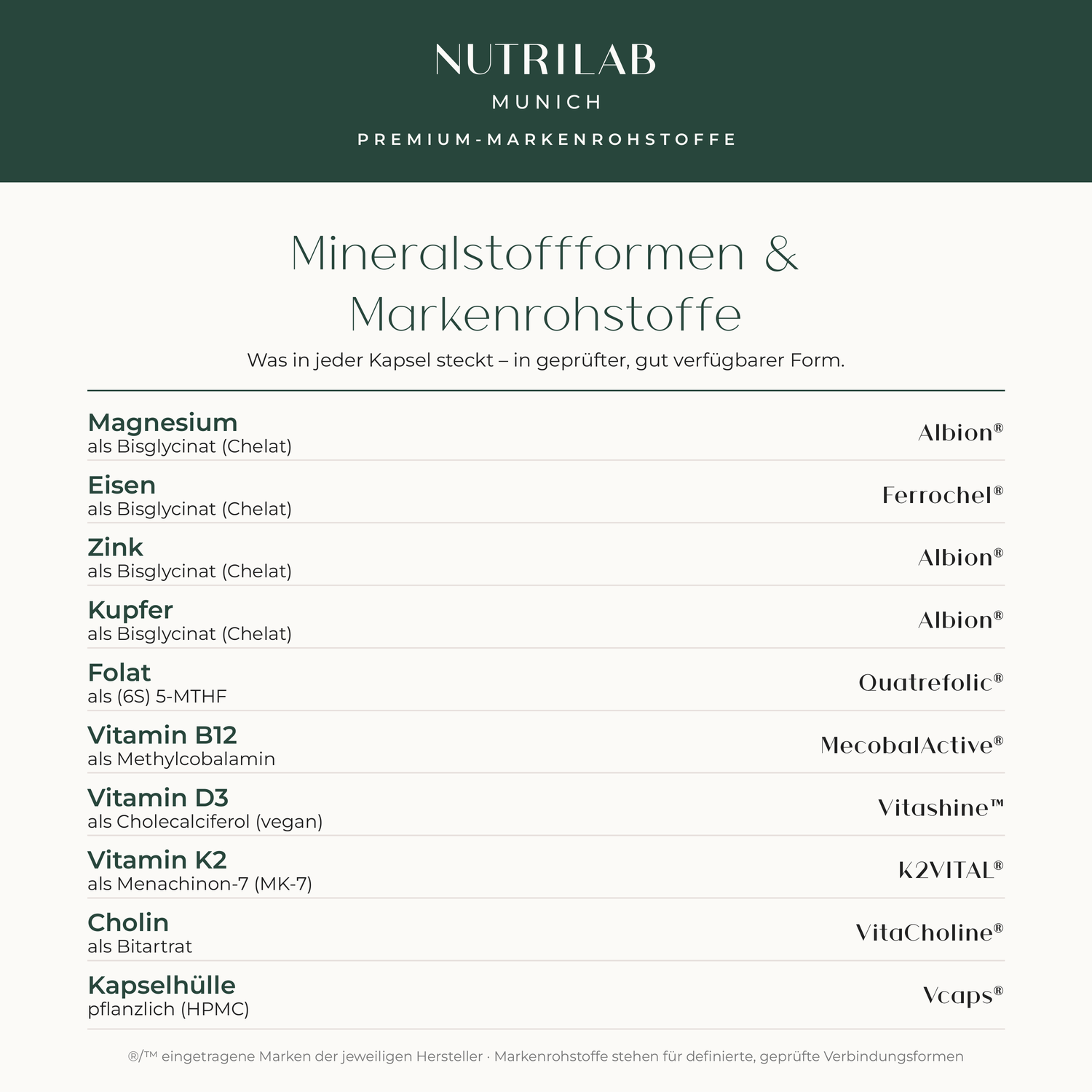
ALL INGREDIENTS AT A GLANCE
| Nährstoff | Menge |
|---|---|
| Vitamin D | 62,5 µg (2.500 I.E.) |
| Vitamin K | 150 µg |
| Riboflavin (B2) | 3 mg |
| Vitamin B6 | 3 mg |
| Biotin (B7) | 60 µg |
| Vitamin B12 | 50 µg |
| Magnesium | 70 mg |
| Eisen | 9 mg |
| Zink | 10 mg |
| Selen | 40 µg |
| Jod | 130 µg |
| Kupfer | 0,9 mg |
NOTES & NOTES
Food supplements are not a substitute for a balanced and varied diet and a healthy lifestyle. Keep out of the reach of children. The recommended intake should not be exceeded. Vitamin A should only be taken during pregnancy after consulting a doctor. People who take anticoagulant drugs of the coumarin type should only take food supplements containing vitamin K after consulting a doctor. Store in a cool, dry place.
LABORBERICHT
THIS IS INSIDE
Discover our ingredients

folic acid

choline

vitamin B12

vitamin D

vitamin K2

iron

vitamin A

iodine

magnesium

zinc

copper

vitamin B1

vitamin B2

vitamin B3

selenium
FAQ – Your most frequently asked questions
1. Are dietary supplements useful when trying to conceive?
Yes – especially when trying to conceive and in early pregnancy, many things are decided before you even feel them. Numerous important nutrients – particularly for cell division, brain and spinal cord development of the baby – are most effective when they are already sufficiently present before conception.
Important micronutrients such as folic acid, vitamin B12, choline and vitamin D can support fertility and optimally prepare the body for pregnancy.
A deficiency in certain micronutrients – such as folate – is often only noticed when it is too late.
01 femme prenatal was medically developed to provide you with targeted and preventative care – even before a nutrient deficiency can develop. Because especially during this sensitive phase, you shouldn't experiment, but rather take conscious precautions – with a safe, medically sound concept you can trust.
2. Is 01 FEMME PRENATAL suitable for a vegan diet?
Yes – FEMME PRENATAL 01 is 100% vegan and free from animal-derived ingredients. Ideal for plant-based diets.
3. Do I really need a supplement if I want to have children and I eat a healthy diet?
In a perfect world, every single nutrient would come from an optimal diet. But the truth is, we don't always live in a perfect world. Transportation, processing, and storage of food lead to a noticeable reduction in nutrients. Added to this is the trend toward less meat for health and sustainability reasons—more and more women are consciously or unconsciously eating less meat.
You should start using a high-quality prenatal supplement as soon as you first think about being pregnant – but at the latest when you hold a positive test in your hand.
For years, folic acid has been considered the gold standard for reducing the risk of neural tube defects (malformations of the brain and spinal cord) in babies.
New scientific findings show that vitamin B12 and choline are also crucial for the healthy development of the nervous system – and effectively complement the effect of folic acid.
We had precisely these mechanisms of action in mind when formulating FEMME Prenatal.
Why should you start as early as possible?
Because neural tube defects can develop very early in pregnancy – often before you even know you're pregnant. Therefore, it's important to have an adequate supply of folic acid right from the moment of conception, i.e., when the egg is fertilized.
It's therefore worthwhile to start taking a prenatal vitamin as soon as you first think about having a baby. Your body and your baby will thank you.
4. Can I take this product if I am trying to conceive?
Absolutely! FEMME PRENATAL 01 is specially formulated for the time before conception and the first trimester. It is further enhanced with our ubiquinol pump (KANEKA Ubiquinol™ oil-based, PhytoSolve® technology) to support egg quality, and – coming soon – a matching omega-3 oil.
5. Is additional folic acid intake necessary?
No – FEMME PRENATAL 01 contains the recommended daily amount in the form of bioactive Quatrefolic®.
6. How long does one pack last?
One pack contains 60 capsules and lasts for 30 days (2 capsules daily). You can also conveniently have the product delivered to your home monthly as a subscription, so you don't have to remember to refill it.
7. Why are there no unnecessary additives?
Because our handcrafted production allows us to omit them. Your body only needs what truly helps. Our capsules are free of dyes, anti-caking agents, and fillers.
8. Vitamin A during pregnancy: Why retinyl palmitate instead of beta-carotene?
Vitamin A is indispensable for cell division, growth, eye development and the baby's immune system.
However, women who follow a plant-based diet usually only consume beta-carotene – a precursor that the body must first convert into active vitamin A. The conversion rate varies considerably from person to person and can be severely limited in cases of genetic variants (e.g., the BCO1 mutation). Studies show that approximately 40% of people have this reduced conversion rate. Furthermore, the conversion efficiency decreases even further with high beta-carotene intake.
Therefore, we rely on retinyl palmitate – directly effective vitamin A – in a safely low dose of 225 µg.
This is well below the internationally established upper limit of 3000 µg per day (EFSA), but ensures a basic supply for all women, even those with reduced conversion capacity. Diet (vegetables, fruit) continues to provide beta-carotene – we supplement only selectively and safely. The critical period for teratogenic risks is between days 15 and 60 post-conception – our low dosage carefully takes this into account. During breastfeeding, vitamin A intake is adjusted, as the risk of direct fetal exposure no longer exists.
Sources: EFSA 2015, WHO 2020, DOI: 10.3945/ajcn.2009.27993D, DOI: 10.1093/ajcn/nqac106, PubMed ID: 28328354
9. Vitamin B12: Why 100 µg is beneficial during pregnancy
Vitamin B12 is THE critical factor in vegan or vegetarian diets. The official recommendations for pregnant women (e.g., DGE: 4.5 µg/day) apply to omnivorous diets – but women following a plant-based diet often have lower stores.
Italy, for example, recommends 50 µg of vitamin B12 per day for pregnant vegetarians. Studies show that 100 µg/day is optimal to replenish stores and minimize risks to the baby (e.g., neurological damage, developmental delay, anemia). Vitamin B12 has no known threshold for side effects; it is absorbed as needed, and excesses are simply excreted. Absorption is limited—of a 100 µg dose, only 2–3 µg are effectively absorbed.
Therefore, our products contain 100 µg of methylcobalamin – for maximum safety, even in cases of absorption problems.
Conclusion: Current research shows that vitamin B12 supplementation with 100 µg during pregnancy in women with a plant-based diet has a clearly positive benefit-risk ratio, as there is no upper limit for B12, dosages up to 1000–2000 µg are considered safe, while a B12 deficiency can cause serious consequences such as neural tube defects and developmental disorders in the child.
Sources: Rizzo 2016, EFSA 2015, DOI: 10.1002/14651858.CD013823.pub2, DOI: 10.1136/bmjopen-2020-034987, PubMed ID: 28974367
10. The scientific evidence against vitamin E during pregnancy
Vitamin E (tocopherols) is considered an important fat-soluble antioxidant, but the research on supplementation during pregnancy is sobering:
- Lack of efficacy: There is no scientific evidence to support the additional benefit of vitamin E supplementation during pregnancy. Cochrane reviews and other systematic analyses show that routine vitamin E supplementation (alone or with vitamin C) does not significantly reduce the risk of miscarriage, premature birth, preeclampsia, or low birth weight. Instead, the data suggest potential disadvantages: In the large Cochrane analysis (21 studies, >20,000 women), supplementation was associated with an increased rate of progesterone-emergent premature rupture of membranes (PROM) and more frequent lower abdominal pain. The authors conclude that vitamin E supplementation during pregnancy offers no benefits for mother and child, but rather potential risks.
- Potential harm: This finding has led international guidelines to advise against the routine use of high-dose antioxidants – according to the WHO, vitamin E (and C) should not be used routinely during pregnancy (who.int ). Vitamin E supplementation was associated with an increased risk of abdominal pain (RR 1.66) and premature rupture of membranes at term (RR 1.77). These side effects outweigh the only proven benefit of reduced placental abruption.
- Adequate supply through diet: Additional intake of vitamin E is not considered necessary during pregnancy, as the daily requirement can be well covered by a balanced, healthy diet.
- Evidence-based decision: The AOK fact box confirms that there is no evidence of benefit from routine vitamin E intake during pregnancy. In fact, it may even contribute to abdominal pain.
Against this background, NUTRILAB MUNICH consciously omits vitamin E from its formula. This decision follows the evidence-based principle: "No additive without proven benefit." Mother and child are adequately supplied with vitamin E through a good diet – an extra supplement offers no scientifically proven advantage.
Sources: Cochrane 2015, Miller et al. 2005, DOI: 10.1002/14651858.CD004069.pub3, DOI: 10.1002/14651858.CD007176.pub2, PubMed ID: 16210918, AOK-Faktenbox Vitamin E** Cochrane 2015, Miller et al. 2005, DOI: 10.1002/14651858.CD004069.pub3, DOI: 10.1002/14651858.CD007176.pub2, PubMed ID: 16210918
11. Selenium: Why do we use sodium selenite instead of selenium yeast?
Selenium supports thyroid function, the immune system, and antioxidant defense mechanisms. Plants often provide little selenium because the content in the soil varies greatly.
Selenium yeast contains selenium in organic form (selenomethionine), which can accumulate in the body – especially with long-term use. Sodium selenite, on the other hand, is absorbed quickly, utilized efficiently, and excreted in excess. Animal and human studies show that sodium selenite is used more efficiently for selenoprotein synthesis and is better regulated.
Our decision: Sodium selenite – safe, bioavailable and without risk of accumulation.
Sources: WHO 2004, EFSA 2014, DOI: 10.1007/s12011-018-1618-1, DOI: 10.1016/j.jtemb.2018.11.002, PubMed ID: 15136966
12. Which supplements are particularly important when trying to conceive?
Among the most important dietary supplements for those trying to conceive are folic acid, vitamin B12, choline, and vitamin D. Zinc, selenium, and iron also play a role in hormonal balance and fertility.
13. Can dietary supplements increase the likelihood of becoming pregnant?
Nutrient deficiencies are a common cause of infertility. Therefore, it's worthwhile replenishing nutrient stores as soon as you start thinking about pregnancy. It's always advisable to have blood tests to identify any potential deficiencies and address them specifically. Good preparation and better overall health are associated with a shorter time to conception. Prenatal supplements are essential for good preparation, helping to address deficiencies early on. Dietary supplements can therefore help establish an optimal nutrient status that can promote fertility.
We would be happy to advise you further on this matter, including regarding various parameters that you should have tested.
Other products




FOR FURTHER READING
Evidence-based formulations
We use nutrients that are backed by a comprehensive body of research that is growing daily.

.%0A%0A%20Trying%20to%20Conceive%20%26amp;%20Early%20Pregnancy%20(Weeks%201-12):%20Our%20Multivitamin%20femme%20prenatal%2001%20This%20is%20your%20clea...
)